Is Fluoride Bad for You? A Balanced Look at the Evidence
Last updated: 2026-05-01
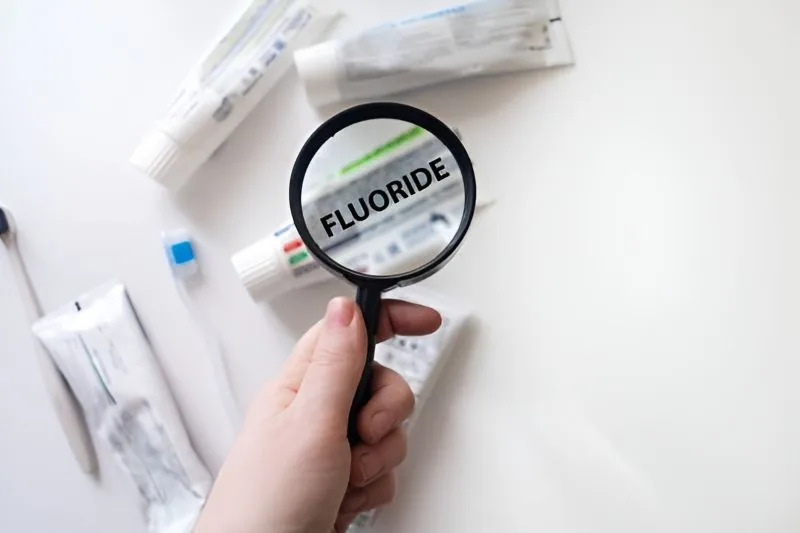
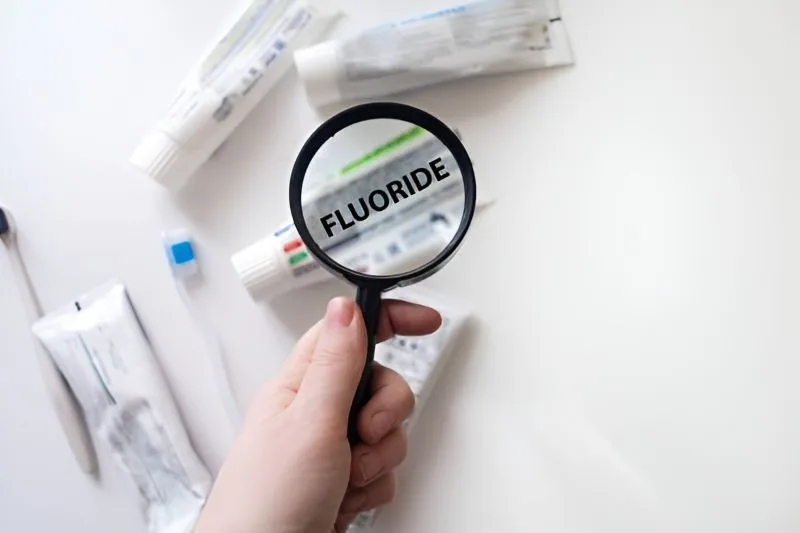
"Is fluoride bad for you?" is one of the most polarised questions in oral health. The balanced answer: at the levels used in toothpaste and fluoridated water, fluoride is well-established as safe and effective at preventing tooth decay. The genuine debate is about high-dose exposure. Here's how to separate the two.
How does fluoride actually protect teeth?
Fluoride works mainly through remineralisation. Every day, acids from food and bacteria pull minerals out of your enamel; fluoride helps put them back, forming a tougher, more acid-resistant surface (fluorapatite). Think of it as repeatedly re-armouring the tooth surface. This is the well-evidenced reason fluoride toothpaste and water fluoridation reduce cavities across populations.
What are the genuine concerns?
The concerns are real but dose-dependent — they relate to excess fluoride, not the amounts in everyday products:
- Dental fluorosis. Too much fluoride while teeth are developing in childhood can cause white spots or mottling on the enamel. It's cosmetic, and the main reason children should use only a pea-sized amount of toothpaste.
- Skeletal effects. Fluoride accumulates in bone over time; very high, prolonged intake (well above typical exposure) has been linked to changes in bone strength.
- Neurodevelopment — an open debate. Some studies in areas with naturally high fluoride levels have raised questions about effects on children's cognitive development. The evidence is mixed and the exposures studied are typically far higher than fluoridated water, so this remains genuinely debated rather than settled.
How to balance your fluoride intake
- Know your sources. Toothpaste, tap water and some mouth rinses all contribute — check whether your water is fluoridated.
- Use the right amount. A pea-sized amount of toothpaste for adults, a smear for young children; spit, don't rinse, so it stays effective.
- Ask your dentist. If you're unsure about your needs or your children's, your dentist can advise on the right level for your situation.
Looking after gums alongside your fluoride routine
Fluoride protects enamel, but gum health needs attention too. As a finishing step, a lipid-based concentrate can support the gum line where water-based products wash away.
- Step 1. Brush with fluoride toothpaste and clean between your teeth.
- Step 2. Apply a few drops of Dental Pro 7 along the gum line.
- Step 3. Leave it on rather than rinsing.
Educational only — not a diagnosis or medical advice. Consult a qualified professional for clinical concerns.
Frequently Asked Questions
Is fluoride bad for you?
Not at the levels in toothpaste and fluoridated water — at those amounts it's considered safe and is one of the most effective ways to prevent tooth decay. The risks are tied to excessive exposure, which can cause dental fluorosis and is debated in relation to bone and neurodevelopment.
Does fluoride affect the brain?
This is genuinely debated. Some studies in regions with naturally very high fluoride have raised questions about children's cognitive development, but the exposures involved are typically much higher than fluoridated water, and the overall evidence is mixed. It's an area of ongoing research rather than a settled conclusion.
Do I need fluoride for healthy teeth?
Fluoride is one of the most reliable tools for preventing cavities through remineralisation. If you prefer to limit it, talk to your dentist about your decay risk and suitable alternatives, but for most people fluoride toothpaste remains the simplest effective protection.